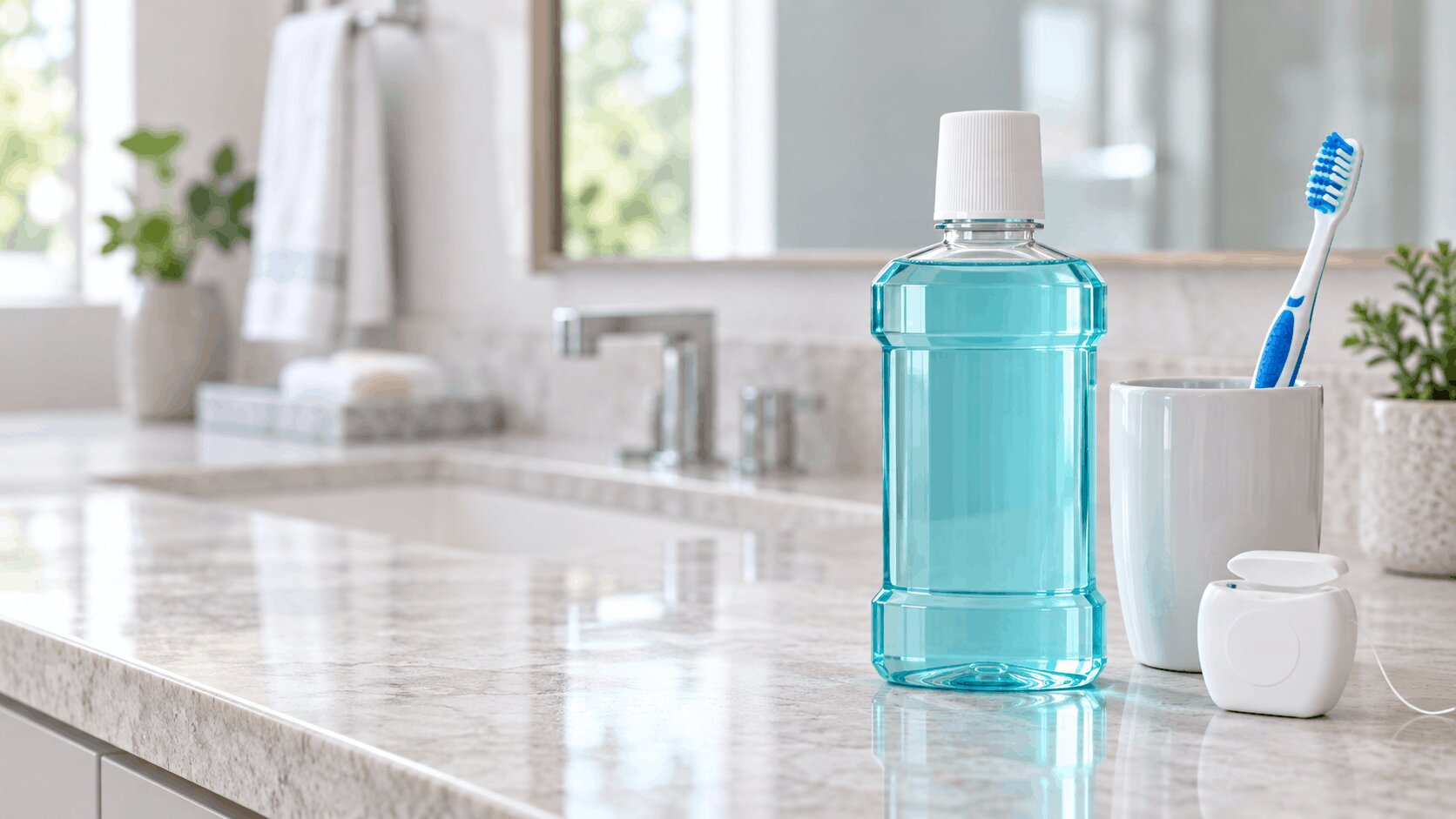
Does Mouthwash Actually Make a Difference?
For many, mouthwash is the finishing touch to a morning routine. Brush, floss, rinse, and head out the door with that extra-minty feeling. But does mouthwash actually improve your oral health, or does it just make your breath smell better?
The answer depends on what is in the bottle. Mouthwash can be a helpful addition to your daily dental routine, especially when it contains ingredients designed to address a specific concern. However, mouthwash cannot replace brushing, flossing, or regular dental cleanings. Think of it as an extra tool, rather than the main event. Let’s take a closer look at mouthwash.
Should I Use Alcohol vs. Alcohol-Free Mouthwash
One of the first things you may notice when comparing mouthwashes is whether they contain alcohol.
Alcohol-containing mouthwash can provide that strong, intense sensation many people associate with a really clean mouth. Some formulas use alcohol to help dissolve ingredients and deliver them throughout the mouth. However, that burning feeling does not necessarily mean the mouthwash is working better.
Alcohol-free mouthwash can be a better choice for people who experience dry mouth, irritation, or sensitivity. It may also be more comfortable for anyone who dislikes the strong burning sensation of traditional rinses.
The best option depends on your individual oral health needs and the product’s active ingredients.
When Is Mouthwash Most Helpful?
Not everyone needs mouthwash, but there are situations where your dentist may recommend adding one to your routine.
For example, a fluoride mouthwash may help people at greater risk of cavities by providing additional fluoride exposure. Certain therapeutic rinses may also be recommended for people dealing with plaque buildup, gingivitis, or other gum concerns.
If bad breath is the issue, mouthwash can certainly help temporarily. Just remember that persistent bad breath may have an underlying cause. Gum disease, tooth decay, dry mouth, or other oral health issues can all contribute to ongoing bad breath.
If you find yourself constantly reaching for mouthwash to cover up an odor, it may be worth scheduling a dental exam instead of buying an even stronger mint flavor.
What Ingredients Should You Look For?
Instead of choosing mouthwash based on the color of the bottle or how intense the flavor sounds, turn it around and look at the active ingredients.
Fluoride is a good ingredient to look for if cavity prevention is your primary concern. Some therapeutic rinses contain antimicrobial ingredients designed to help reduce plaque or gingivitis.
You can also look for products that carry the ADA Seal of Acceptance. The seal indicates that the product has met the American Dental Association’s requirements for safety and effectiveness for its stated purpose.
dentist can also recommend a rinse based on what is actually happening in your mouth rather than relying on a one-size-fits-all product.
Are There Mouthwash Ingredients You Should Avoid?
While there isn’t a single ingredient you should avoid, people with dry mouth or sensitive oral tissues may want to avoid high-alcohol rinses if they find them irritating. Strong flavoring agents can also be uncomfortable for people with sensitive mouths.
When in doubt, bring your mouthwash to your next appointment. We can review the ingredients and let you know whether it makes sense for your needs.
Can Mouthwash Replace Brushing?
This one is easy: no. Mouthwash reaches areas throughout the mouth, but rinsing cannot physically remove the plaque and food debris stuck to and between your teeth the way brushing and flossing can.
Should You Use Mouthwash Every Day?
You can, but whether you need to depends on your oral health. If you enjoy using mouthwash and have found a product that works well for you, it can be a useful addition to your routine. If you are using it to address cavities, gum problems, dry mouth, or another concern, talk with your dentist about which type is best for you.
Contact Smilodon Dental
The mouthwash aisle does not have to feel like a guessing game. At Smilodon Dental, we can help you choose products based on your teeth, gums, cavity risk, and overall oral health, rather than whatever bottle happens to promise the freshest breath.
Contact Smilodon Dental today to schedule an appointment.
Frequently Asked Questions About Mouthwash
Should I Use Mouthwash Before or After Brushing?
Follow the instructions on the specific mouthwash you are using. Depending on the ingredients and purpose of the rinse, your dentist may recommend using it at a particular time. If you use a fluoride toothpaste and fluoride rinse, ask your dentist how to get the most benefit from both.
Is Alcohol-Free Mouthwash as Effective as Regular Mouthwash?
It can be. Effectiveness depends more on the active ingredients and what the mouthwash is designed to do not whether it creates a strong burning sensation. Alcohol-free options may be preferable for people with dry mouth or sensitivity.
Can Mouthwash Permanently Get Rid of Bad Breath?
Mouthwash can temporarily freshen your breath, but recurring bad breath may be a sign of an underlying dental issue. If bad breath continues despite good brushing and flossing habits, schedule a dental evaluation.